Houseplants
Ponytail Palm
Beaucarnea recurvata
Stores weeks of water in its swollen trunk, so forgetful owners look like naturals.
- Typical watering
- Every ~18 days
- Light
- bright light, direct sun welcome
- Difficulty
- easy
Care tips
- Let soil dry fully between waterings - every 2-3 weeks is typical
- Plant in cactus mix in a pot with a drainage hole
- Give it your sunniest sill; it tolerates but slows in less
- In winter, cut back to roughly monthly watering
Common questions
How often should I water a ponytail palm?
A healthy indoor ponytail palm typically wants water every 18 days or so. Treat that as a starting cadence, not a rule, pot size, light, and season all shift it, so check the soil before you pour.
How much light does a ponytail palm need?
A ponytail palm does best in bright light, direct sun welcome light. If it stretches, fades, or stalls, adjust its spot before changing anything else.
Is a ponytail palm toxic to cats or dogs?
The ponytail palm is generally considered non-toxic to cats and dogs per the ASPCA plant lists, still best kept out of chewing range.
Gear for this plant
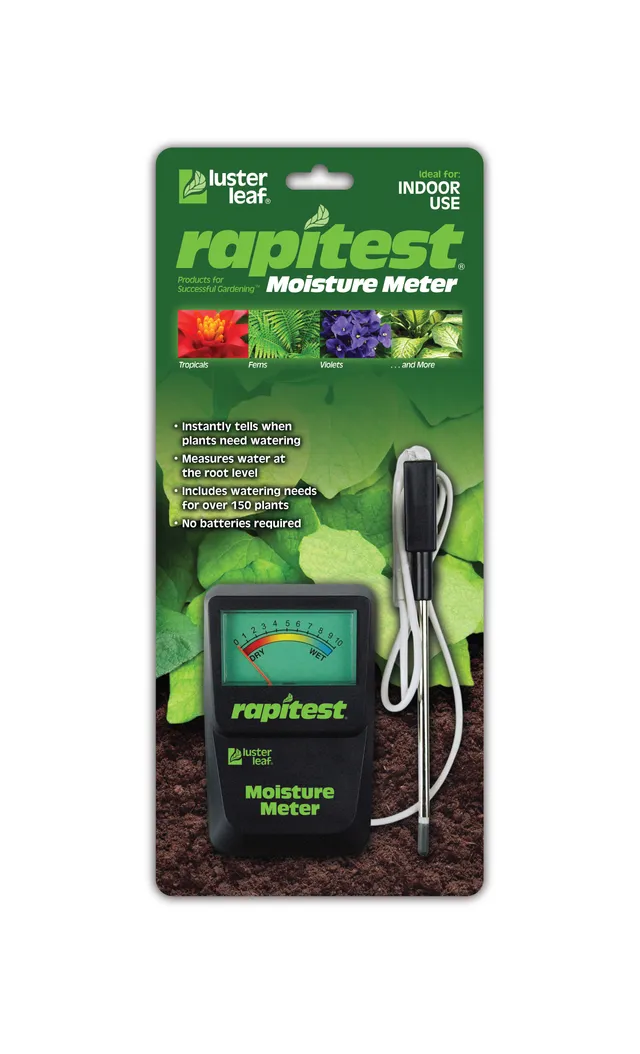
Photo: Luster Leaf Luster Leaf Rapitest 1820 Soil Moisture Meter
Check soil moisture below the surface before deciding whether your plant needs water.
View on Amazon US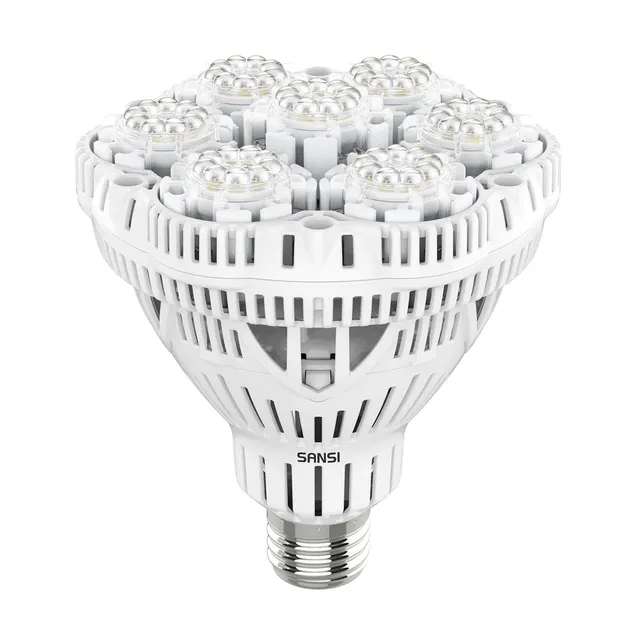
Photo: SANSI SANSI 36W Full-Spectrum Grow Bulb
A screw-in grow bulb for lamps and fixtures, useful when a plant sits too far from a bright window.
View on Amazon US
Photo: Bonide Bonide Captain Jack's Neem Oil Spray
A ready-to-use neem spray for common houseplant pests such as spider mites and aphids. Follow the label and keep pets away until dry.
View on Amazon US
Photo: ABRAMS The New Plant Parent
Darryl Cheng's approachable guide to reading your plants and building a routine that fits your home.
View on Amazon US
Typical guidance for a healthy ponytail palm, your own conditions (and your vet, for animals) come first.
Related guides
- African VioletBlooms nearly year-round on a windowsill if you master one skill: watering from below.
- Air PlantNo soil, no pot - just a weekly bath and a good shake-dry keep it going.
- Alocasia PollySculptural arrowhead leaves that demand warmth, humidity, and forgiveness for winter dormancy.
- AnthuriumGlossy heart-shaped blooms that keep coming for months if the humidity stays up.
- Areca PalmFeathery pet-safe fronds that ask mainly for steady moisture and no cold feet.
- Arrowhead PlantStarts as a tidy clump of arrow leaves, then reveals its true self: an enthusiastic vine.