Houseplants
African Violet
Streptocarpus ionanthus
Blooms nearly year-round on a windowsill if you master one skill: watering from below.
- Typical watering
- Every ~6 days
- Light
- bright indirect
- Difficulty
- moderate
Care tips
- Bottom-water with room-temperature water; cold drops spot the leaves
- Keep soil barely moist - check every 5-7 days
- An east window or grow light 30 cm above works well
- Feed at quarter strength every 2 weeks to keep blooms coming
- Snap off spent flower stalks at the base
Common questions
How often should I water an african violet?
A healthy indoor african violet typically wants water every 6 days or so. Treat that as a starting cadence, not a rule, pot size, light, and season all shift it, so check the soil before you pour.
How much light does an african violet need?
An african violet does best in bright indirect light. If it stretches, fades, or stalls, adjust its spot before changing anything else.
Is an african violet toxic to cats or dogs?
The african violet is generally considered non-toxic to cats and dogs per the ASPCA plant lists, still best kept out of chewing range.
Gear for this plant
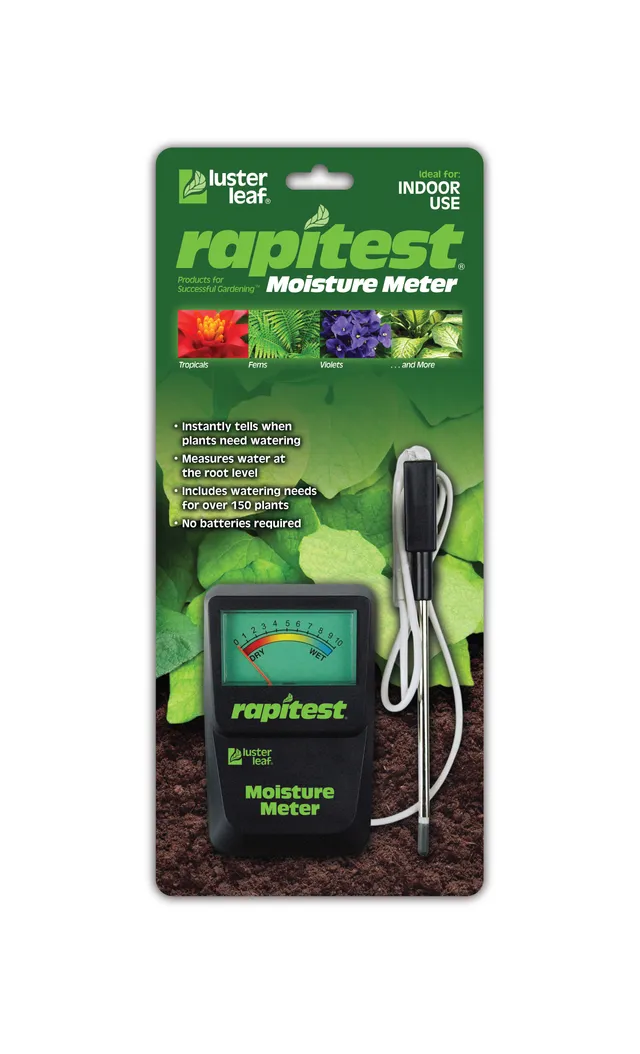
Photo: Luster Leaf Luster Leaf Rapitest 1820 Soil Moisture Meter
Check soil moisture below the surface before deciding whether your plant needs water.
View on Amazon US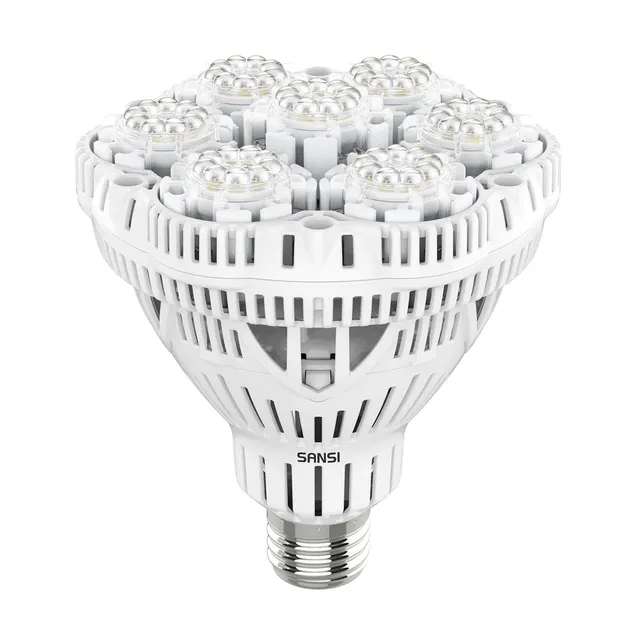
Photo: SANSI SANSI 36W Full-Spectrum Grow Bulb
A screw-in grow bulb for lamps and fixtures, useful when a plant sits too far from a bright window.
View on Amazon US
Photo: Bonide Bonide Captain Jack's Neem Oil Spray
A ready-to-use neem spray for common houseplant pests such as spider mites and aphids. Follow the label and keep pets away until dry.
View on Amazon US
Photo: ABRAMS The New Plant Parent
Darryl Cheng's approachable guide to reading your plants and building a routine that fits your home.
View on Amazon US
Typical guidance for a healthy african violet, your own conditions (and your vet, for animals) come first.
Related guides
- Air PlantNo soil, no pot - just a weekly bath and a good shake-dry keep it going.
- Alocasia PollySculptural arrowhead leaves that demand warmth, humidity, and forgiveness for winter dormancy.
- AnthuriumGlossy heart-shaped blooms that keep coming for months if the humidity stays up.
- Areca PalmFeathery pet-safe fronds that ask mainly for steady moisture and no cold feet.
- Arrowhead PlantStarts as a tidy clump of arrow leaves, then reveals its true self: an enthusiastic vine.
- Baby Rubber PlantThick glossy leaves hold their own water reserve, making neglect part of the care plan.